
The Return of Craft: Why Handmade Is the New Status Symbol

For years, luxury in interiors was defined by brand recognition. Polished marble. Statement lighting. Iconic furniture pieces are instantly identifiable across social media feeds.
In 2026, status looks different.
It is quieter. More tactile. Less logo-driven.
Craft has returned — not as nostalgia, but as cultural currency.
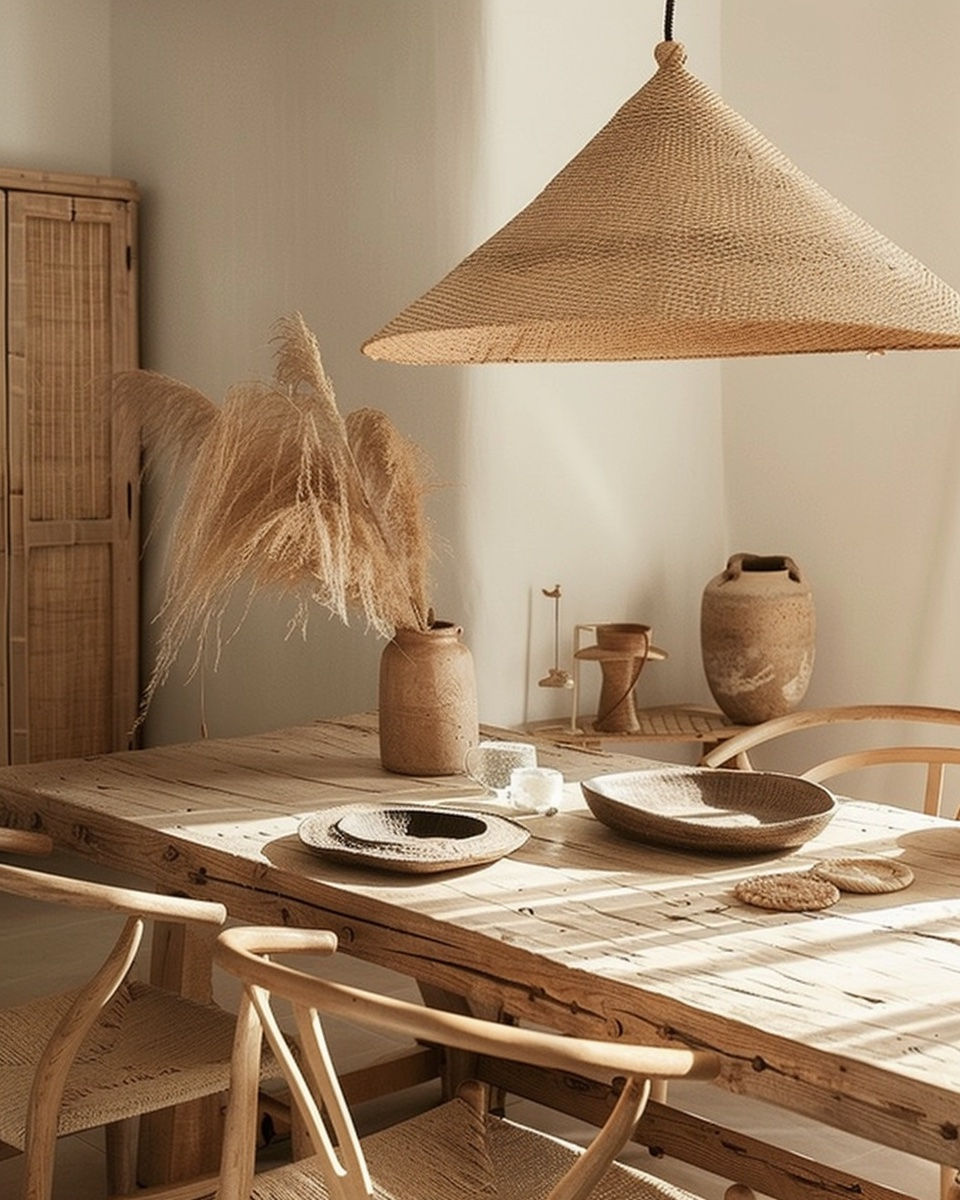
Across Europe and beyond, artisan interior design is shaping the most compelling homes of the year. Handmade ceramics replace factory-perfect décor. Textured plaster walls replace flat paint. Solid wood furniture with visible grain replaces glossy surfaces.
The handmade home decor trend is not about rusticity. It is about presence.
In an increasingly digital world, material authenticity has become aspirational.
Craft as Emotional Architecture

Craft in interior design 2026 is not decorative. It is structural.
Textured surfaces alter how light behaves in a room. A limewash wall diffuses brightness differently than flat paint. Hand-thrown ceramics create irregular shadow lines. Woven textiles absorb sound and soften acoustics.
These elements shape atmosphere at a sensory level.
The return of craft reflects a deeper desire for tactility. Smooth, machine-produced perfection now feels distant. Human imperfection feels grounding.
Handmade pieces introduce variation. Slight asymmetry. Subtle surface inconsistencies. These details prevent interiors from feeling sterile.
In quiet luxury homes, craft appears through material quality — solid wood joinery, custom upholstery, plaster finishes. In expressive interiors, it appears through visible objects — sculptural ceramics, woven lamps, artisan glass.
Different aesthetics. Same underlying value: authenticity.
The Handmade Home Decor Trend in 2026
Search interest around handmade home decor trend continues to rise — but what differentiates 2026 from earlier craft revivals is sophistication.
This is not farmhouse nostalgia.
It is refined craftsmanship integrated into contemporary spaces.
We see:
Sculptural ceramic lighting in minimalist rooms
Hand-carved wood tables paired with modern chairs
Textured plaster surfaces framing contemporary art
Vintage artisan objects styled within tonal palettes
Craft is no longer an aesthetic category. It is a quality indicator.
It suggests permanence in a culture defined by disposability.
Craft, Sustainability and Cultural Value

The resurgence of craft in interior design 2026 also aligns with sustainability.
Handmade objects are often produced in smaller batches. Materials are locally sourced. Longevity is prioritised over trend turnover.
But beyond environmental value lies cultural value.
Craft connects interiors to narrative. A ceramic bowl made by a local artisan carries story. A handwoven textile holds process. These objects introduce continuity into modern homes.
In a time where digital replication is effortless, tangible uniqueness becomes rare.
That rarity signals status.
Not through price alone — but through discernment.
The New Status Symbol
Luxury once meant uniform perfection.
Today, it means considered imperfection.
A subtly uneven glaze. A visible wood joint. A textured wall that catches evening light differently each day.
The return of craft does not reject modernity. It reframes it.
Modern interiors are increasingly defined by balance:
Clean architectural lines
Warm, tactile materials
Artisan details layered within restraint
A neutral living room may include a single deep cherry ceramic vessel. A quiet luxury bedroom may feature a handwoven wool rug that introduces irregular rhythm beneath minimalist furniture.
These details shift perception.
They transform rooms from styled to lived.
For the contemporary decorator, understanding craft is essential. It requires knowledge of materials, processes and proportion. It requires knowing when to layer and when to restrain.
At Nordic Design Institute, we teach students to read materials as carefully as trends. Because artisan interior design is not about adding handmade objects randomly — it is about integrating them with architectural coherence.
Craft is not decoration.
It is identity.
And in 2026, identity is the ultimate status symbol.
FAQ
What is artisan interior design?
A design approach that integrates handmade materials, craftsmanship and tactile surfaces into contemporary interiors.
Why is handmade home decor trending in 2026?
Because consumers increasingly value authenticity, sustainability and emotional resonance in their homes.
How can craft be incorporated into modern interiors?
Through textured walls, solid wood furniture, ceramic lighting, woven textiles and curated artisan objects.


Comments