
Styling Like a Professional: The Details That Elevate a Room

The difference between a beautiful room and a professionally styled room is rarely dramatic. It is subtle. Almost invisible. And yet, once you notice it, you cannot unsee it.
Professional interior styling is not about adding more. It is about refining what is already there. It is about proportion, rhythm, restraint, and intention. In 2026, as interiors grow warmer and more tactile, styling becomes even more critical. Materials may be beautiful, but without composition, they fall flat.
To style a room like a professional is to understand visual hierarchy. Where does the eye land first? What holds attention? What softens transitions? What anchors the space?
These decisions are rarely accidental.
Proportion Is Everything

One of the most overlooked interior styling tips is scale. A small object floating on a large surface feels uncertain. A large object overwhelming a compact console feels aggressive. Professionals work with grouping — odd numbers, varied heights, layered silhouettes.
A coffee table styled correctly does not feel decorated. It feels composed. Books create base. A ceramic piece introduces vertical movement. A small organic object softens geometry. Negative space is preserved deliberately.
The eye must have room to rest.
Layering Without Clutter
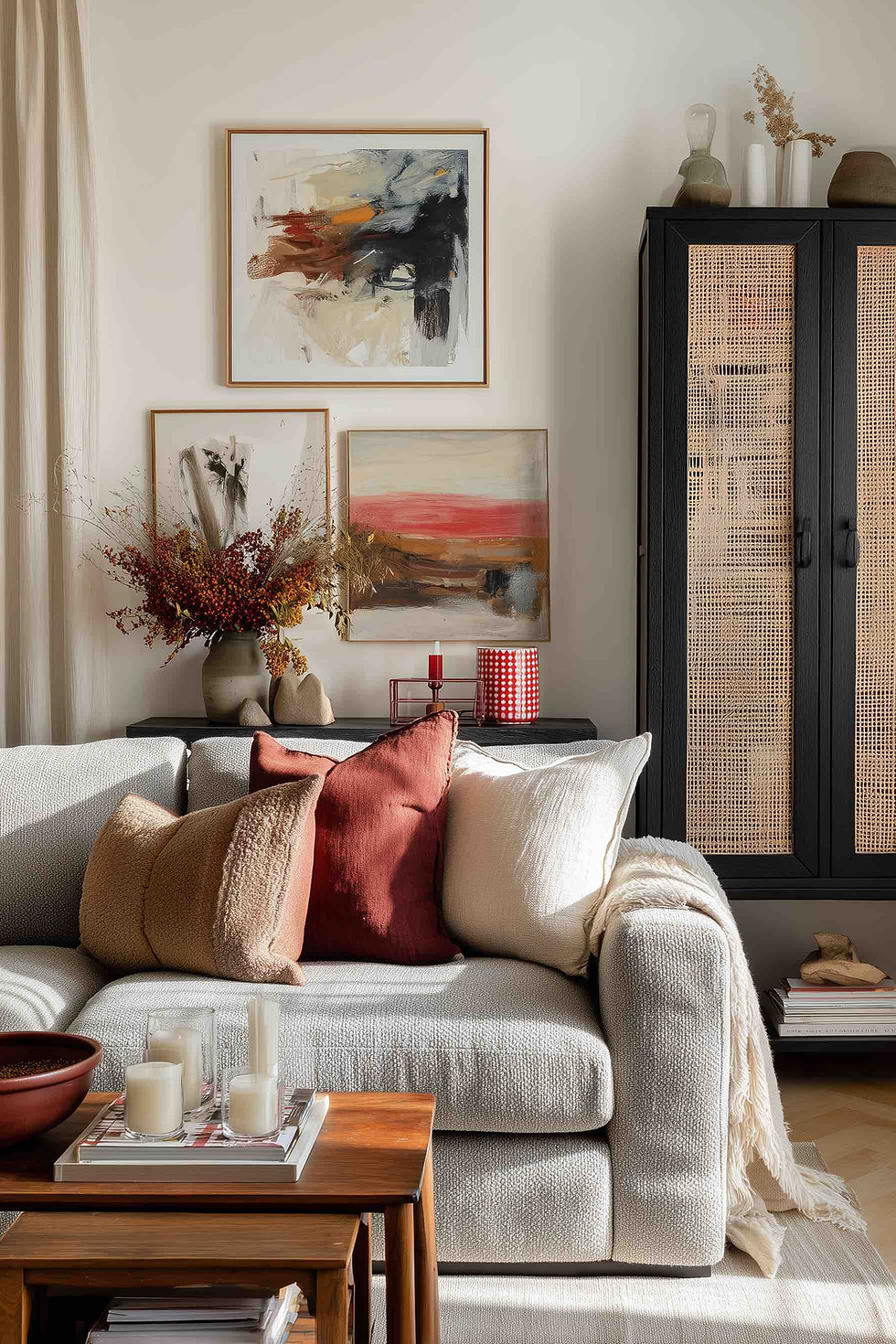
Layering is not accumulation. It is orchestration.
In 2026 interiors, layering often happens tonally. Objects are selected within a restrained palette — sand, walnut, muted olive, deep brown. This prevents visual noise. Texture becomes the differentiator rather than color contrast.
Professional interior styling relies on subtle variation: matte against gloss, smooth against textured, organic beside structured. These micro-contrasts create depth without chaos.
A room feels elevated not because it is full, but because it is resolved.
The Power of Editing
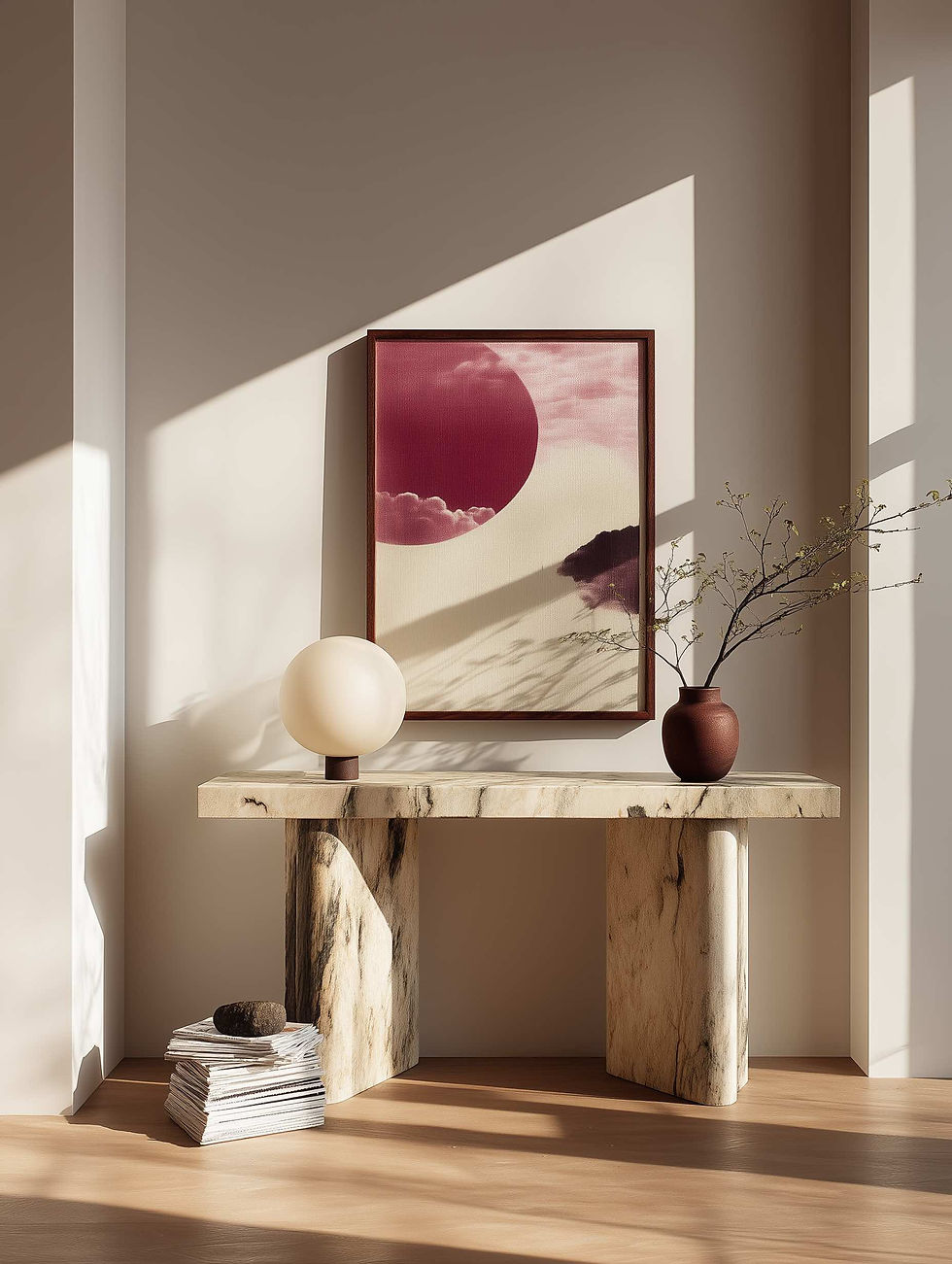
Knowing what to remove is often more important than knowing what to add.
Editing introduces sophistication. A professional stylist steps back repeatedly. They assess visual weight. They remove redundant elements. They create breathing space.
In April light especially, negative space feels luminous. Surfaces reflect daylight more gracefully when not crowded. Styling becomes architectural.
This restraint is what distinguishes amateur decorating from professional composition.
Styling as Narrative
A professionally styled interior tells a quiet story. Not through obvious themes, but through cohesion.
A single deep cherry object might echo a subtle tone in artwork. A woven textile might relate to a ceramic glaze. Books might reflect personal interest rather than generic display.
These connections are intentional.
To style a room like a professional is to consider dialogue between objects. Does the lamp relate to the table? Does the art balance the sofa visually? Does the rug anchor the room or float awkwardly?
These are questions professionals ask instinctively.
Professional interior styling in 2026 is less about following rules and more about understanding relationships — between scale, light, material and emotion.
At Nordic Design Institute, we train students to see beyond surface beauty. Styling is not decoration. It is spatial storytelling.
The difference is subtle.
But it is transformative.
FAQ
How do you style a room like a professional?
Focus on proportion, layered textures, tonal cohesion and deliberate editing rather than adding more decor.
What are the most important interior styling tips for 2026?
Work tonally, prioritise texture, use negative space and create visual hierarchy.
Is styling different from decorating?
Yes. Styling focuses on composition and narrative, while decorating often refers to adding objects.


Comments